Google’s Latest Update: Why “Hyper-Local” is the New North Star for Small Business

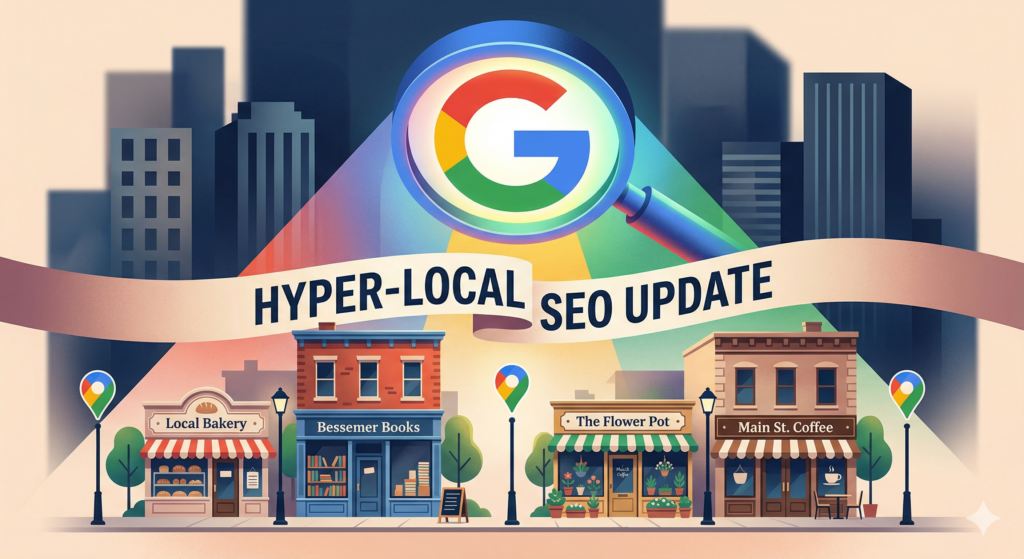
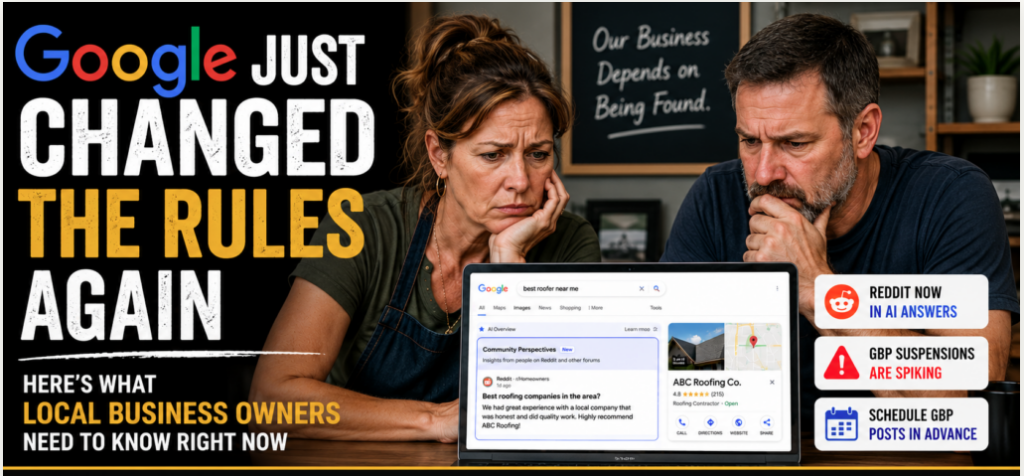
Digital illustration showing a Google spotlight focusing on a local small business, representing the March 2026 hyper-local SEO update.

For years, local business owners have felt like they were competing in a race against giants. Whether it’s a national franchise or a massive digital publisher, the “big guys” always seemed to have the upper hand in Google’s search results.

However, new data from Google’s March 2026 Core Update suggests the tide is turning. If you are a “mom & pop” shop in the Charlotte metro area or a service provider in Bessemer City, there is a major silver lining in these latest changes—but only if your digital house is in order.

The Death of “Accidental” National Reach

Recent analysis shows that many large national publishers (like Forbes and Yahoo) saw their visibility plummet by as much as 60% in some areas. Why? Because Google is narrowing its focus.

The update specifically targeted Google Discover—that feed of news and articles that pops up on your phone. Google’s goal is now “Hyper-Locality.” They are intentionally stripping away national traffic from local publishers and giving that space back to the people who actually live and work in that specific region.


The Takeaway for You: If you are a local business, Google wants to show your content to people in your backyard more than ever before. You don’t need to be a national expert; you just need to be the local authority.

The “Rented Land” Warning

While the update favors local content, it also came with a harsh reality check. Some websites saw their traffic disappear overnight. This is the inherent risk of “renting” your audience from Google or social media. When the algorithm shifts, your “landlord” (Google) can change the locks without notice.

This is why we focus on the Website as Hub philosophy.

  • The Risk: Relying solely on Google Discover or Facebook for your customers.

  • The Solution: Using those platforms as spokes to drive people back to your hub—a website you own, with an email list you control and content that belongs to you.
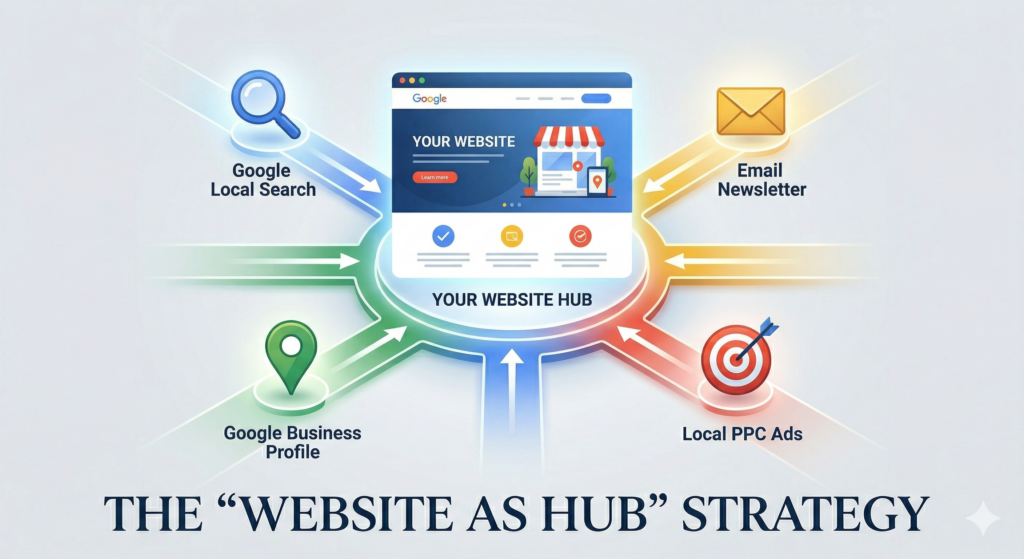
Infographic of the Website as Hub strategy showing a central business website connected to Google Search, Google Business Profile, and email marketing.
The “Website as Hub” model ensures your business isn’t dependent on a single algorithm shift.

3 Steps to “Update-Proof” Your Local Business

  1. Double Down on Local Keywords: Don’t just talk about “Plumbing Tips.” Talk about “How to Handle the Hard Water in Gaston County.” The more specific your location, the more Google will reward you under this new update.

  2. Refresh Your Google Business Profile: Ensure your service areas are strictly defined. Google is looking for “locally relevant” content, and your profile is the first place it looks.

  3. Build Your Own Audience: Use the current “local boost” from Google to capture email addresses. If Google changes its mind again in six months, your “Hub” will still be full of loyal local customers who can reach you directly.
Scroll to Top